
History of Pentecostalism in Latin America
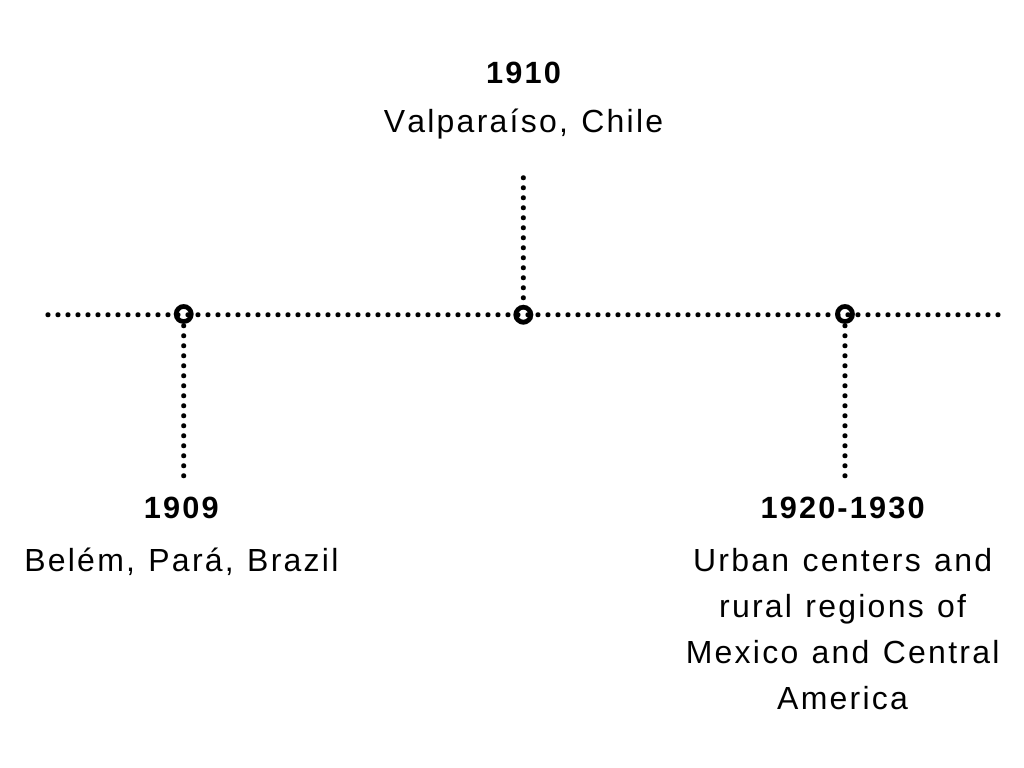
Pentecostalism arrived in Latin America in the early 20th century through a combination of missionary efforts and grassroots movements. The exact points of emergence reflect the diversity of the region and the adaptability of Pentecostal theology.
Early Emergence of Pentecostalism in Latin America
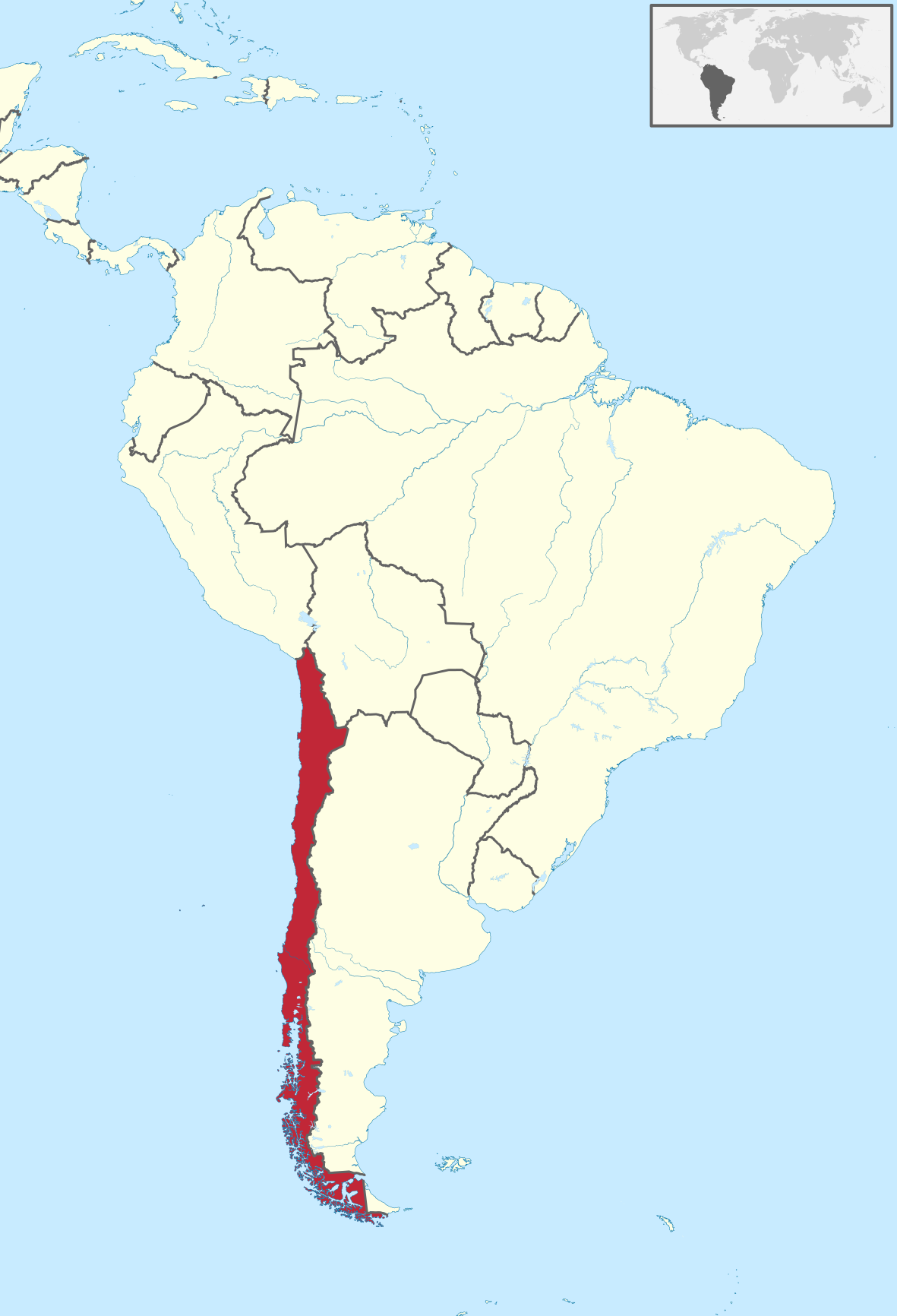
1909 - Chile
Where: Valparaíso, Chile.
Why: The movement began when Methodist preacher Willis Hoover experienced a spiritual revival, leading to the establishment of the first Pentecostal church in Chile. Hoover emphasized the gifts of the Holy Spirit, such as speaking in tongues and healing.
Who: Willis Hoover, an American missionary, is regarded as a key figure in bringing Pentecostalism to Chile.
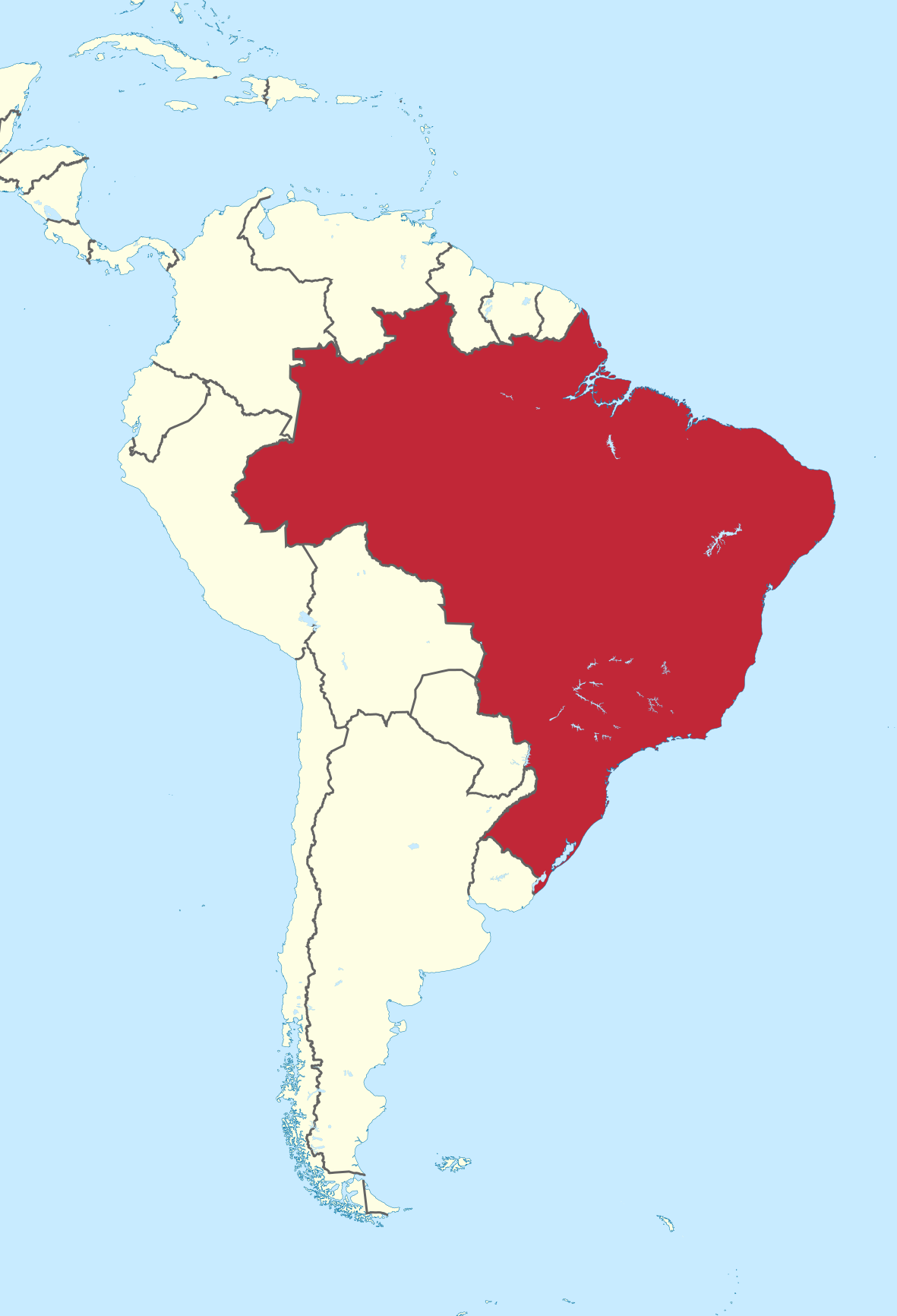
1910s - Brazil
Where: Belém, Pará, Brazil.
Why: Two Swedish immigrants, Daniel Berg and Gunnar Vingren, introduced Pentecostalism while preaching the baptism of the Holy Spirit. They founded the Assemblies of God, which became one of the largest Pentecostal denominations in the world.
Who: Daniel Berg and Gunnar Vingren, whose efforts combined evangelism and the establishment of organized churches.
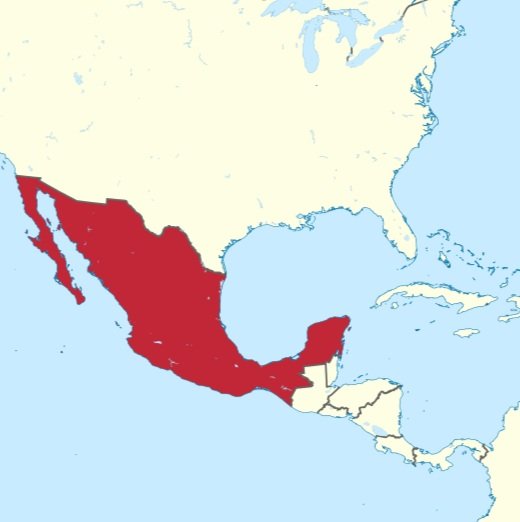
1920s-1930s - Mexico and Central America
Where: Urban centers and rural regions.
Why: Local lay leaders and American missionaries brought Pentecostalism to Mexico and Central America, often blending its theology with local traditions.
Who: Figures like Francisco Olazábal, who founded the Latin American Council of Christian Churches, were instrumental in spreading the movement.
Context is the Key
Not only is looking at the actual events concerning the movement important, but it is key to place the emergence and rapid growth of Pentecostalism in its historical context.
Pentecostalism in Latin America emerged during a period of significant political and social upheaval, which created fertile ground for its growth:
Wars and Revolutions: The Mexican Revolution (1910–1920) and other struggles for independence and land reform destabilized the region, leaving many searching for spiritual solace.
Urbanization: Rapid urban growth brought large numbers of rural migrants to cities, where they encountered Pentecostal churches offering a sense of community.
Religious Pluralism: Disillusionment with established Catholic traditions created space for new religious movements like Pentecostalism.
Key Events in Latin American Pentecostal History
1920s–1930s: Expansion and Indigenous Leadership
As Pentecostalism spread, indigenous leaders emerged, adapting the movement to local cultures and languages. In Guatemala, indigenous Pentecostals translated the Bible and Pentecostal hymns into native tongues, integrating these into worship.
1950s–1970s: Political Turmoil and Growth
During periods of dictatorship and political unrest, Pentecostalism thrived by offering an apolitical refuge for the marginalized.
The Cuban Revolution (1959) and other leftist movements reshaped the political landscape, prompting some Pentecostals to emphasize spiritual renewal over political engagement.
1980s: Neo-Pentecostalism and Prosperity Theology
The rise of Neo-Pentecostalism marked a significant shift, with churches like Brazil's Universal Church of the Kingdom of God preaching prosperity theology and achieving massive popularity through televised evangelism.
1990s–2000s: Pentecostal Political Engagement
Pentecostal leaders and churches began playing more active roles in politics. In Brazil, Pentecostal politicians formed blocs in Congress to advocate for conservative social policies.
Charismatic Catholicism also rose, blending Pentecostal worship styles with Catholic theology.
2010s–Present: Global Influence and Modern Challenges
Latin American Pentecostalism has become a global force, influencing Pentecostal movements in Africa, Asia, and beyond.
Modern challenges include criticisms of prosperity theology, competition from other religious movements, and adapting to rapidly changing societal norms.

Summary
Pentecostalism in Latin America has a rich and complex history, emerging in response to profound social and political upheavals. Its adaptability and focus on personal spiritual experiences have allowed it to thrive in diverse cultural contexts. By tracing its development from its early 20th-century roots to its present-day global influence, we gain insight into why Pentecostalism has become such a defining feature of Latin American religious life.